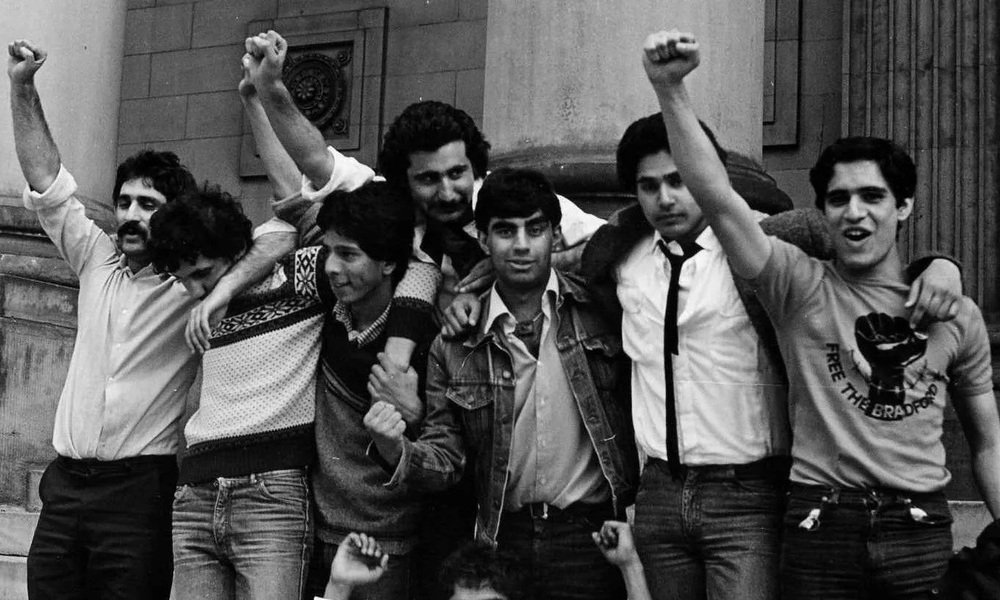
Rebellion brings the Bradford 12 back into the present. Elon Musk is an obvious target, but Britain learned how to manufacture an outsider long before social media.
Rebellion brings the Bradford 12 back into the present. Elon Musk is an obvious target, but Britain learned how to manufacture an outsider long before social media.
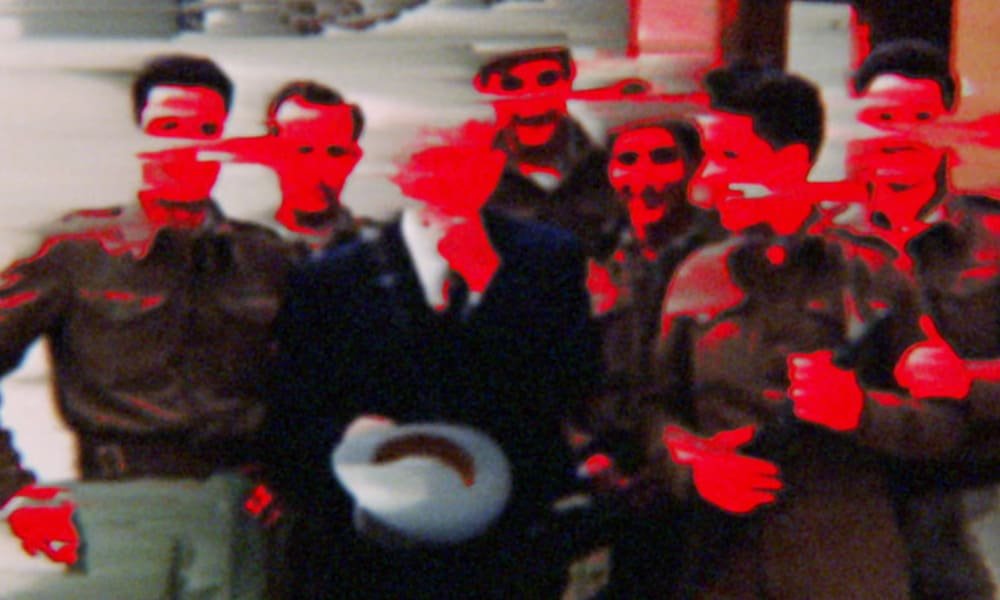
Benjamin Netanyahu wants the anonymous military sources in NAZA identified. At the same time, A Fidai Film revives a Palestinian archive seized in 1982.
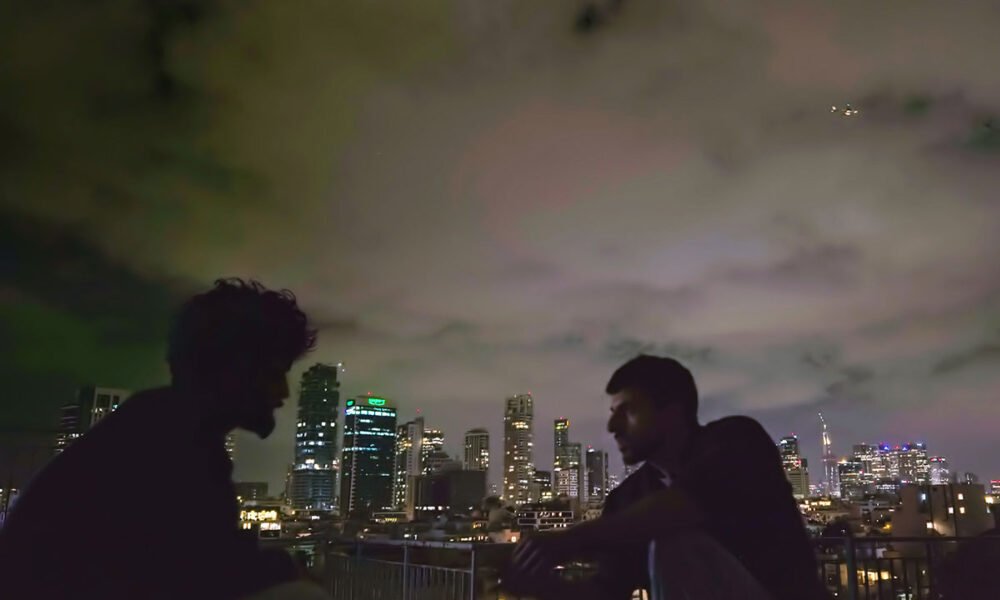
Awards, threats and a 515-screen Italian release give NAZA the aura of a forbidden revelation. The film also raises a less comfortable question about who gains authority from confession.
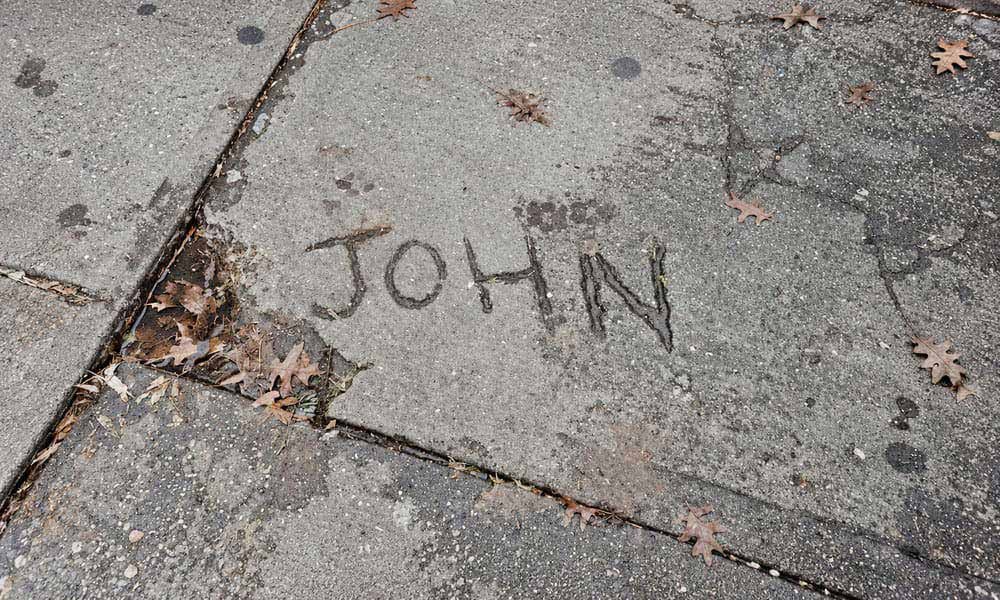
John Wilson wanted to make a documentary about concrete. The financing process turned the film into a study of how the industry tries to standardize originality.
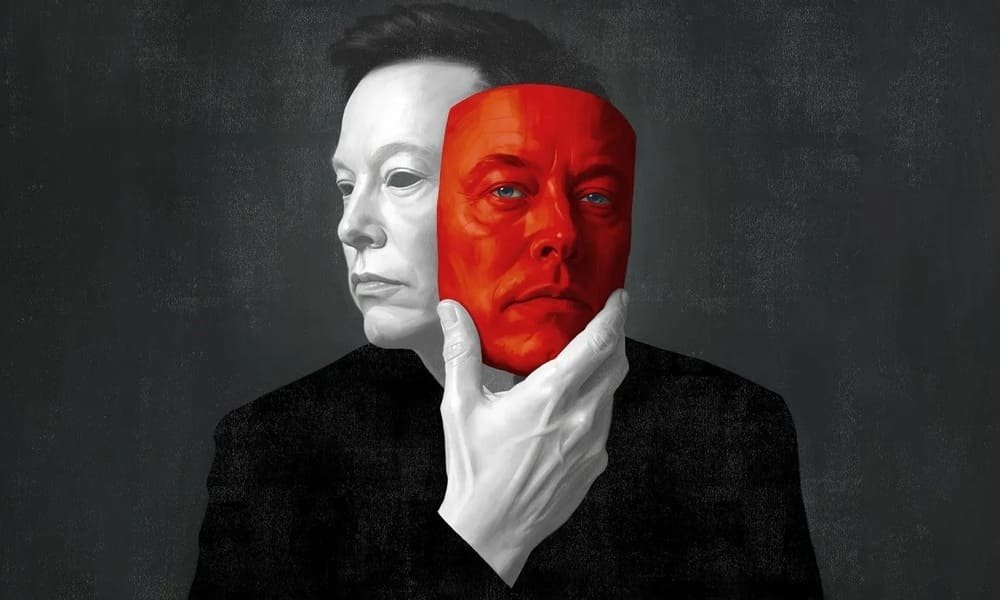
Alex Gibney’s Musk documentary faces legal pressure while HBO’s ownership may change, turning the film’s subject—concentrated power—into a distribution problem.

Twenty-five years after 9/11, cinema is looking beyond the towers toward war, surveillance, memory and the fragmented media system that followed.

Gaza is extensively filmed but has little control over how its images are preserved, verified and distributed. The Gaza Cinema Academy targets that missing infrastructure.
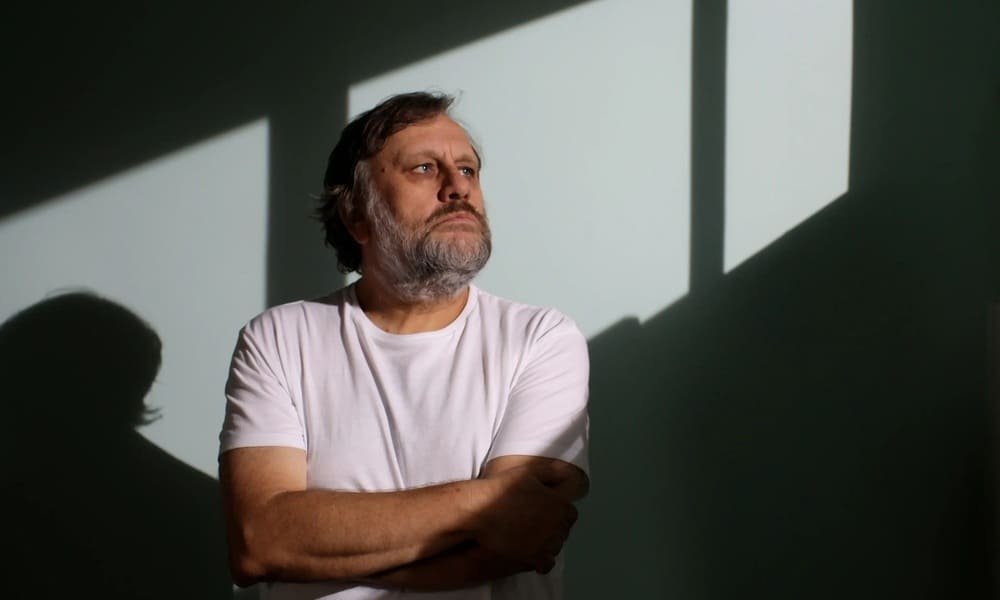
The Pervert’s Guide to Utopias returns Slavoj Žižek to Sophie Fiennes’s cinema to ask why revolution is so easily absorbed as style, product and content.
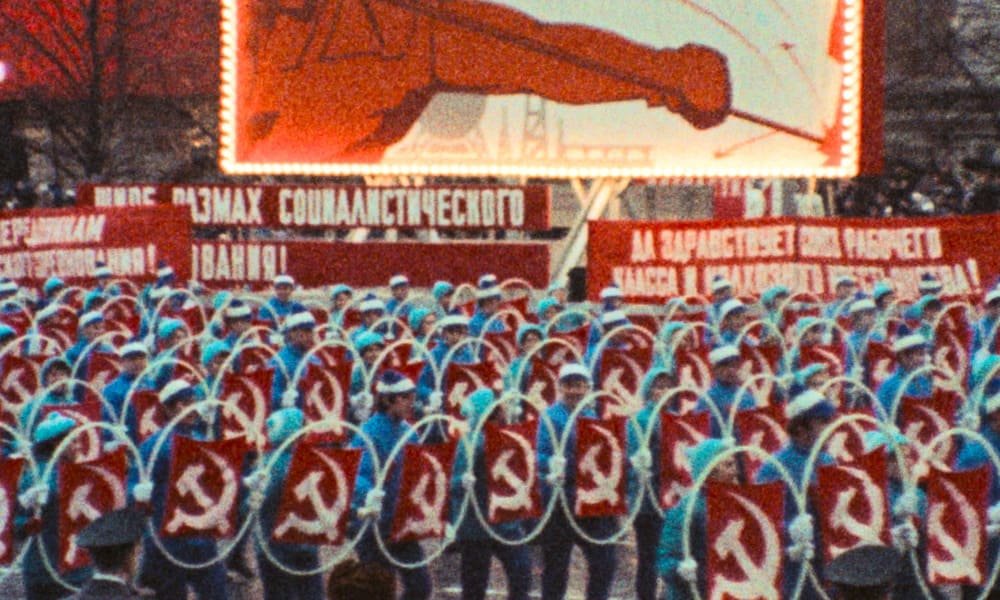
The EU revoked €2 million from the Venice Biennale over Russia’s return, while Ukrainian filmmaker Sergei Loznitsa argues that Europe’s continuing Russian gas imports reveal a larger contradiction.
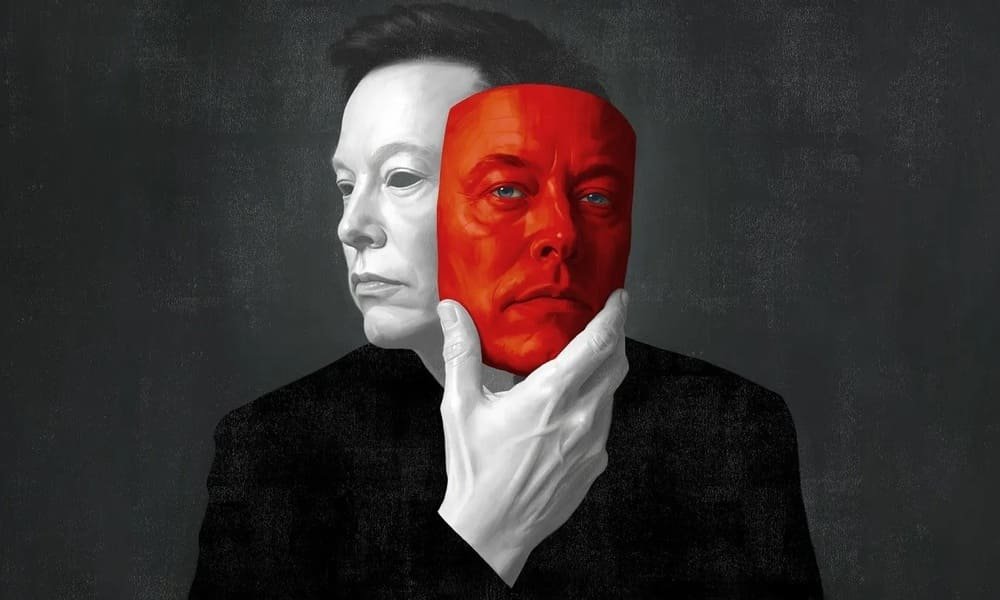
Alex Gibney’s four-hour Musk documentary links DOGE’s access to federal data with a warning: AI could turn administrative information into a system for political influence.